Living Memorials
Turning Ashes into a Living Tree: The Complete UK Guide to Memorial Tree Burials (2025)
A living, growing memorial — biodegradable urns and memorial trees offer one of the most poetic and eco-friendly tributes. A complete UK guide for 2025.
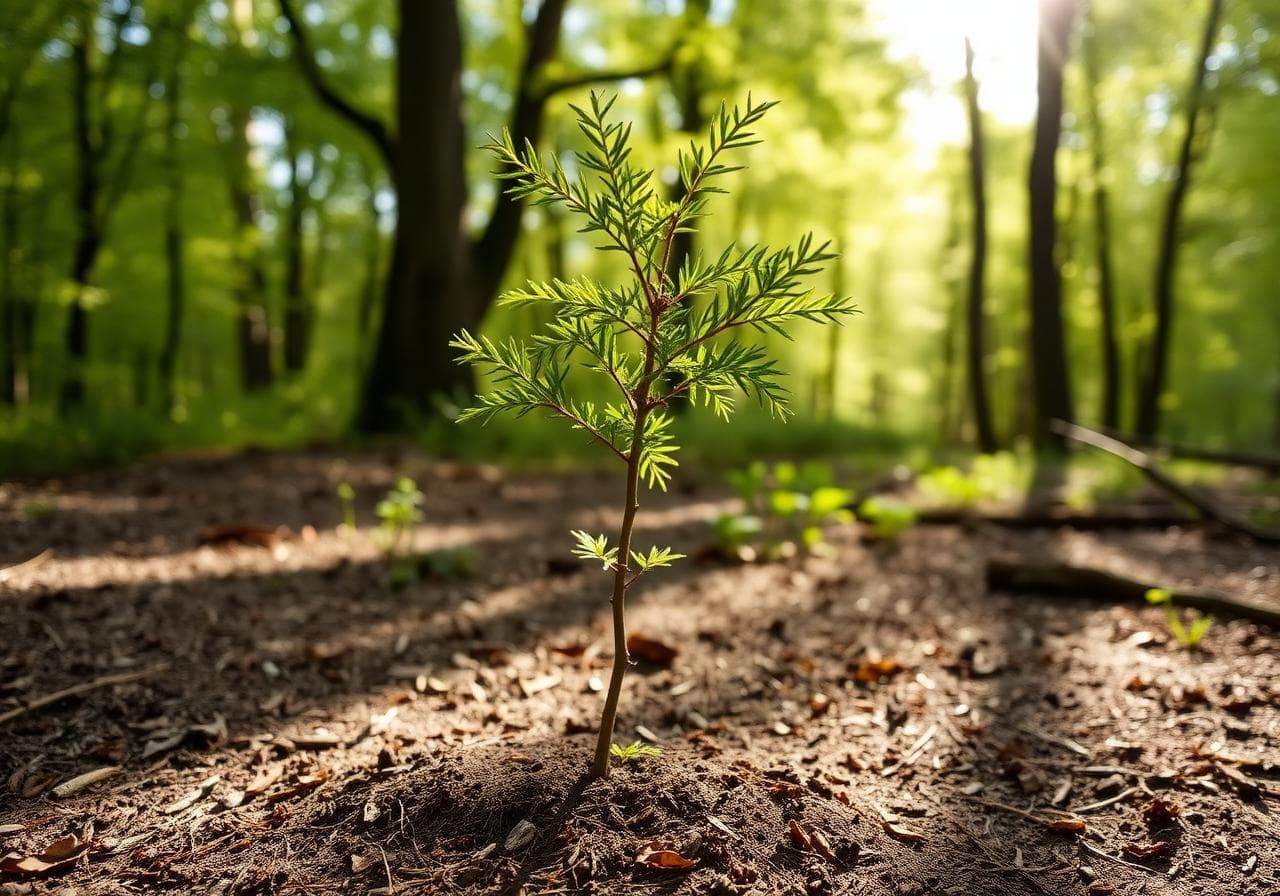
Some people, when they think about where they want to rest, imagine something that grows. Not stone, not glass — but roots, and branches, and leaves unfolding in the spring. The idea of a loved one becoming part of a living tree is one of the most quietly powerful concepts in modern memorialisation, and it has never been more accessible.
Memorial tree burials — planting a tree above or alongside cremation ashes — are growing rapidly in popularity across the UK. They offer a genuinely eco-friendly alternative to traditional burial, a living and changing place of remembrance, and a legacy that can be visited, tended, and passed down through generations.
This guide covers everything you need to know about memorial trees and biodegradable urns in the UK in 2025.
[→ See also: What to do with ashes after cremation — a complete UK guide]
What Is a Memorial Tree Burial?
A memorial tree burial involves planting a tree (or a seed) alongside cremated ashes, often using a biodegradable urn designed to decompose over time. As the urn breaks down, the ashes are gradually released into the soil, where they can nourish the plant growing above.
The concept appeals to anyone who valued the natural world, who wanted a light environmental footprint, or who simply wanted their memory to be something that continues to grow.
Unlike a traditional headstone — static, enduring, unchanging — a memorial tree shifts with the seasons, provides habitat for birds and insects, and becomes more beautiful over time.
Is It Eco-Friendly?
It is, with some nuance. Cremation itself has a carbon footprint, but it is considerably lower than a traditional burial involving embalming, a hardwood coffin, and a concrete vault.
Biodegradable urns are made from organic materials (bamboo, coconut shells, paper pulp, natural clay) and decompose without releasing toxins. The ashes themselves are high in phosphate and calcium — minerals that can support plant growth, though in high concentrations they can also inhibit it. This is why most well-designed memorial tree products neutralise the pH of the ashes before they come into contact with the roots.
Green burial grounds across the UK take this further, managing entire woodlands and meadows as dedicated memorial sites — with no concrete, no kerb stones, and no toxic treatments. Trees planted there contribute to genuine ecological benefit.
Biodegradable Urn Options in the UK
Bios Urn (available via bloomagain.co.uk, legendurn.co.uk)
The Bios Urn is the original and most well-known biodegradable memorial urn. Designed in Spain and now widely distributed in the UK, it holds a full set of cremation ashes and includes a seed compartment at the top. Suitable for any seed or sapling — oak, cherry, birch, rosemary, lavender, and many more. 100% biodegradable, made from organic materials, no expiration date.
Price: Around £70–£85 depending on retailer. Free UK shipping from most distributors.
Spirit Tree Urn (urnsforashes.co.uk)
An award-winning biodegradable urn designed to hold the full remains of an adult, making it suitable for families who want to use all the ashes in a single memorial. Split into two compartments — the lower section holds the ashes and naturally fertilises the plant as it biodegrades, while the top section provides an initial growing medium and a visible marker.
Price: Available from urnsforashes.co.uk. Does not include a seed — you choose your own.
Tree for Life (treeforlife.co.uk)
A UK-based provider offering biodegradable urns with a range of tree sapling options. Particularly well suited to families who want a curated experience — you choose your tree species, and they can provide guidance on planting and placement. Their website includes real customer stories from families who have planted memorial trees in gardens and woodland sites across the UK.
Living Memorial Wicker Burial Set (scattering-ashes.co.uk)
A UK-designed product that includes a wicker urn and a specially formulated organic compound that helps neutralise the alkalinity of cremation ashes — important for giving the plant a better chance of thriving. Suitable for bushes, perennials, and sapling trees.
Where Can You Plant a Memorial Tree?
You have several options:
Your own garden — the most personal choice, and no special permission is required. Be mindful that you may not always have access to the garden in the future (if you move house, for example), and consider whether a large tree is appropriate for the space.
A natural burial ground — dedicated sites across the UK manage woodlands and meadows specifically for green burials. Many offer marked plots, optional tree dedications, and a place to return and visit. The Natural Death Centre (naturaldeath.org.uk) maintains a directory of UK sites.
A woodland or private land — you can plant on private land with the landowner's permission. Some families work with sympathetic landowners or community woodland projects.
A woodland memorial park — providers like GreenAcres manage beautiful dedicated sites with Tree Circles, Living Memorial Trees, and planted meadows. These offer a more structured, maintained place of remembrance similar to a traditional cemetery but in a natural setting.
Which Tree Species?
The choice of tree is deeply personal. Some families choose based on what their loved one loved best; others are guided by what will thrive in the local soil and climate. Some suggestions:
- Oak — long-lived, deeply rooted in English landscape and culture; a powerful symbol of endurance
- Cherry — beautiful spring blossom; often chosen for its seasonal reminder
- Birch — fast-growing, graceful, striking in autumn; good for northern climates
- Rowan — associated in Celtic tradition with protection; beautiful red berries
- Apple or pear — fruit trees can feel especially generative and nourishing
- Hazel — associated with wisdom; beloved by wildlife
A local tree nursery can advise on what will do well in your specific soil and aspect.
Pros and Cons
What families love about memorial trees:
- A living, growing memorial that changes with the seasons
- Eco-friendly and low environmental impact
- A physical place to return to and feel close to the person
- Can involve children and grandchildren in a tangible way
- Provides genuine ecological value — habitat, oxygen, beauty
- Among the most affordable memorial options
Things to consider:
- Trees can fail — especially in the first few years. A sapling is not guaranteed to survive
- If planted on private land, access is not always certain long-term
- Cremation ashes are alkaline and can inhibit some plants without proper neutralising treatment
- Less permanent as a visible marker than a headstone
How Much Does a Memorial Tree Burial Cost?
| Component | Approximate Cost |
|---|---|
| Biodegradable urn (Bios Urn, Spirit Tree, etc.) | £40–£100 |
| Native tree sapling | £10–£40 |
| Natural burial ground plot | £500–£2,000+ |
| Green woodland park plot | £1,000–£3,000+ |
A DIY memorial tree planted in your own garden with a Bios Urn and a chosen sapling can cost well under £150 in total — making this one of the most accessible memorial options of all.
FAQ
Can I plant a memorial tree anywhere? You can plant in your own garden, or on any private land where you have the landowner's permission. Some public parks and green spaces allow it; check with your local council. Natural burial grounds offer dedicated, managed plots.
Do I need the full set of ashes for a tree urn? No. Most biodegradable urns can take the full set of remains for an adult, but you can also use a partial quantity if you want to divide the ashes between a tree and another memorial.
Will the tree die? Saplings can struggle, particularly in the first year. Plant at the right time of year (autumn and spring are best), water regularly, and consider a stake for support. Many families find it meaningful to tend the tree actively — it becomes a living act of care.
Is a memorial tree a permanent memorial? Trees are long-lived but not permanent in the way a headstone is. An oak planted today could outlast everyone alive. But no memorial lasts forever — and for many families, the natural cycle is part of the point.
Can a memorial tree burial be combined with a funeral service? Yes. Many families hold a planting ceremony as a separate event — a small, informal gathering to mark the placing of the ashes. It can be deeply moving.
Conclusion
A memorial tree is perhaps the most poetic response to loss: the idea that the person you loved can continue to grow, to shelter birds, to bloom in spring. It is simple, beautiful, and deeply human.
Whether you plant in your own garden with a Bios Urn and a cherry tree, or choose a place in a dedicated woodland memorial park, the act of planting something alive in someone's memory is one of the most meaningful things grief allows us to do.
[→ See also: Natural burial grounds in the UK — a directory] [→ See also: What to do with ashes after cremation — all your options explained]
Meta description: A complete UK guide to memorial tree burials and biodegradable urns for ashes in 2025. Discover the best products, providers, and planting options for a living, eco-friendly tribute.
Continue reading