
Ashes into Vinyl Records: The Complete UK Guide (2025)
For someone whose life was inseparable from music, pressing ashes into a vinyl record may be the most resonant memorial possible. A complete UK guide for 2025.
Memorial options
Trees and gardens grown with ashes — biodegradable urns, natural burial grounds, and what it takes for a planted memorial to actually thrive.
A living memorial is one that grows. Most often that means a tree or shrub planted with some or all of the ashes, either in a garden, a woodland burial ground or a dedicated memorial forest. Unlike a stone or a piece of jewellery, it changes with the seasons — which some families find comforting and others find harder to live with. Both reactions are normal.
The ashes go into a biodegradable urn — made of materials such as bamboo, paper pulp, coconut shell or clay — which is planted with a sapling or seed. As the urn breaks down, the roots grow into the space around it.
One practical point matters more than any other: cremated remains are alkaline, and in high concentration they can stop a young plant from thriving. Well-designed memorial urns include a soil mix or compound that neutralises the ashes and gives the plant a better start. If you are planting without one, mix the ashes well through a large volume of soil rather than placing them in a single mass at the roots.
A tree urn can take all of the remains or just a portion. Many families plant part of the ashes and keep the rest in an urn or a keepsake.
| Item | Approximate price |
|---|---|
| Biodegradable tree urn | £40–£100 |
| Native sapling | £10–£40 |
| Natural burial ground plot | £500–£2,000+ |
| Woodland memorial park plot | £1,000–£3,000+ |
Planting in your own garden with a tree urn and a sapling can cost well under £150 in total, making it one of the most affordable memorials there is.
Your own land needs no permission. Anywhere else — a relative's garden, farmland, a public park — needs the landowner's agreement. Natural burial grounds and memorial woodlands exist precisely so families have somewhere permanent — ask how they record where each tree stands.
Think about the future of the site. A tree in a rented garden, or in a house you may sell, may not be there in ten years.
Not definitely — saplings sometimes fail, with or without ashes. Choosing a native species suited to your soil, using a neutralising urn and watering well in the first summer all help. If you are using a memorial woodland, ask what happens if the tree does not establish.
A native species suited to where it will stand: oak, rowan, silver birch, cherry and hawthorn are common choices in the UK. Consider the size it will reach, not the size it is when planted.
Yes. Smaller amounts of ashes also make the neutralising step easier.
In-depth guides
For someone whose life was inseparable from music, pressing ashes into a vinyl record may be the most resonant memorial possible. A complete UK guide for 2025.
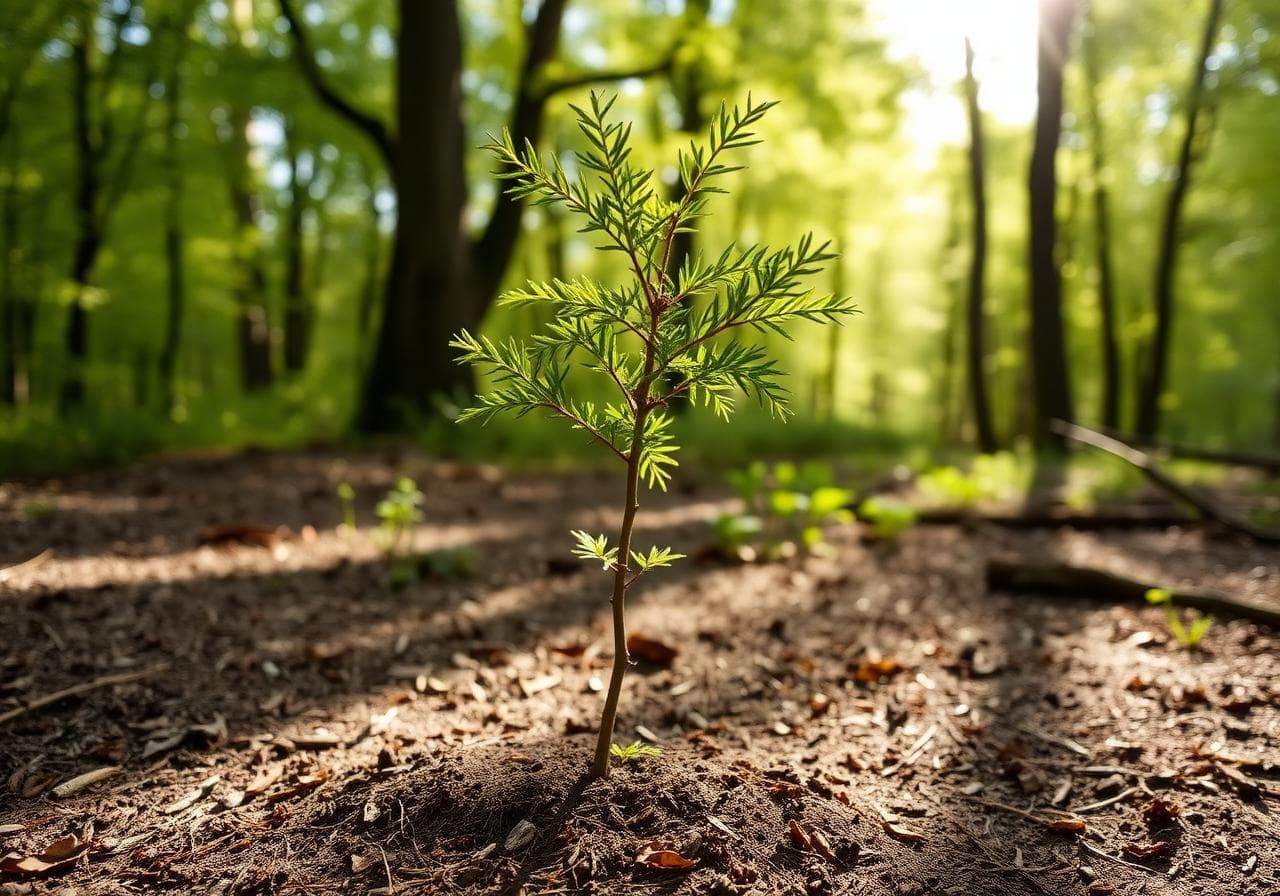
A living, growing memorial — biodegradable urns and memorial trees offer one of the most poetic and eco-friendly tributes. A complete UK guide for 2025.
Tell us what you are weighing up and we will come back with options that fit — what they cost and how long they take. There is no deadline on this decision.